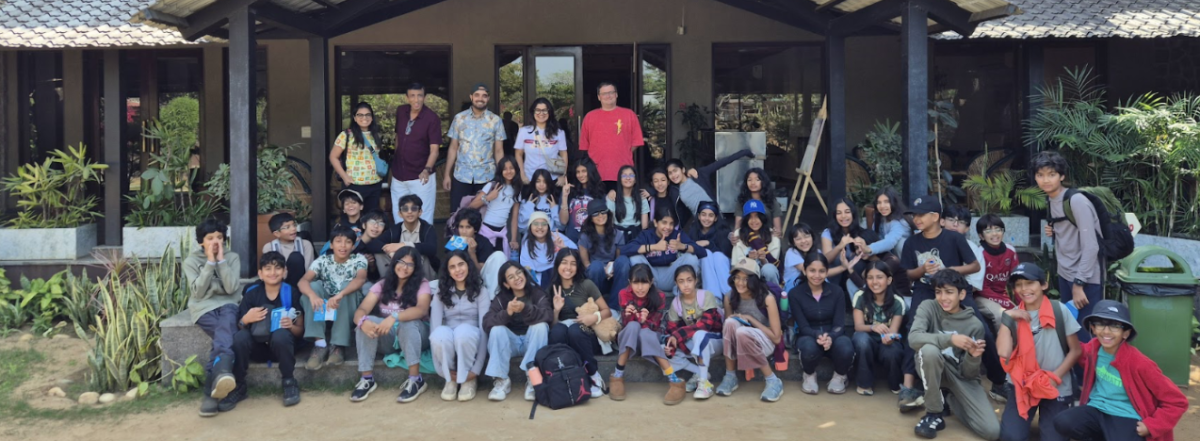
After months that felt like they were measured in deadlines rather than days, the Andaman trip arrived at exactly the right moment. Between IAs, the EE, TOK, college applications, and the constant question of what next, all of us were running on empty. So when we finally boarded the flight to the Andaman and Nicobar Islands, it didn’t feel like just another school trip. It felt like a pause we had been waiting for without realising it.
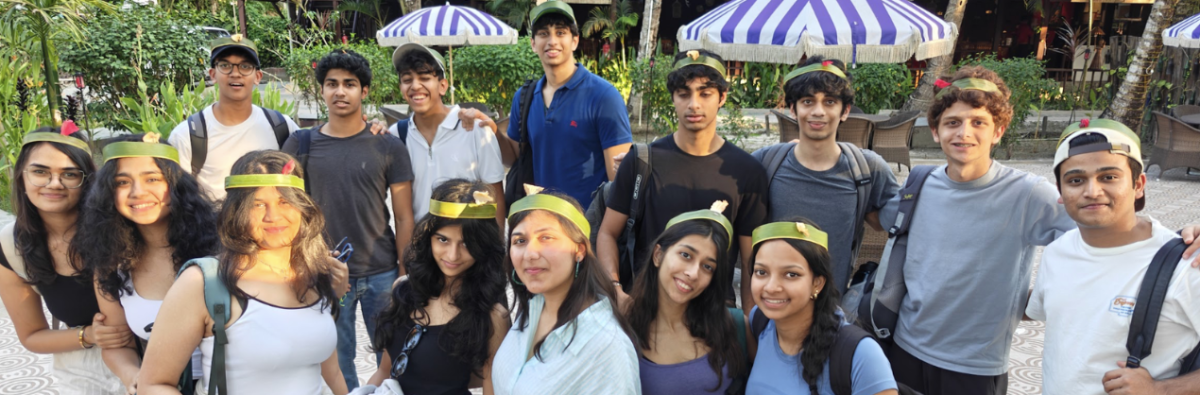
The first day was mostly movement. Airports, ferries, and buses blurred into each other until we finally reached Havelock Island. We were welcomed at the hotel with traditional headbands, and within minutes we were at the beach with our shoes off, letting the sea touch our feet for the first time. That evening, a short session on the islands’ history and ecology reminded us just how far removed this place was from our everyday lives. Somewhere in between all of this, we unknowingly adopted the hotel cat as our own. Bing Bong quickly became part of the group and the trip’s unofficial mascot.
Day two marked the start of scuba training at Barefoot Scuba. The theory sessions and exam felt strangely familiar, like school had followed us across the ocean, but the pressure felt lighter. Even after a few retries, everyone made it through. We learned about our equipment, especially the buoyancy control device, and set it up again and again until it became muscle memory
The swim and float test followed, and passing it felt like a small but important victory. By the afternoon, the seriousness gave way to beach time and pool games. Chicken fights and donkey-in-the-middle took over. Meanwhile, the lone non-diver, Meera Somaiya, spent her morning birdwatching and spotting species found only in the Andamans. It was one of those rare days that felt full without feeling draining.
Things got harder on day three. Underwater skill training pushed many of us well beyond our comfort zones. For some, it meant deciding to step away from scuba and join the non-diving group instead. Breathing underwater demands trust, both in the equipment and in yourself, and that did not come easily to everyone. Some skills required patience.
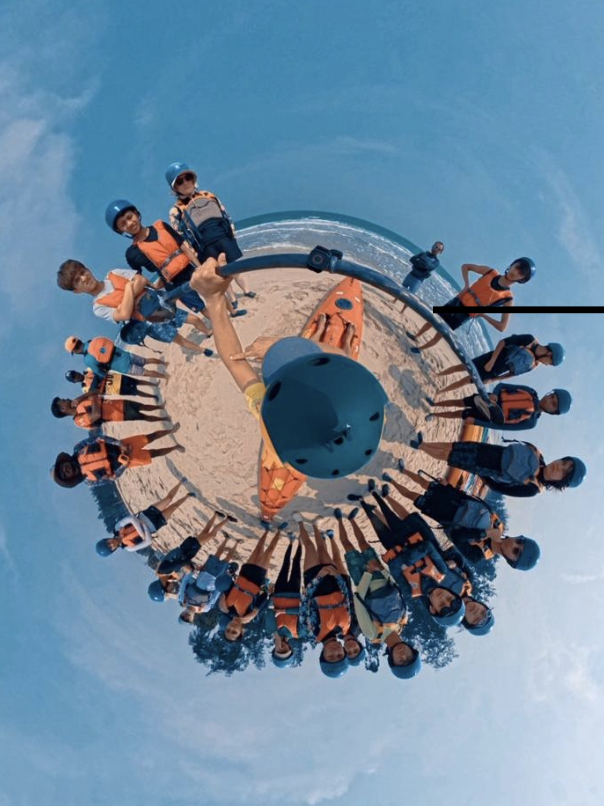
Others demanded courage. It was exhausting in every sense, yet oddly grounding. For once, the only thing that mattered was the next breath and the buddy beside you. While divers dealt with tan lines and sore muscles, the non-divers challenged themselves by kayaking out in the open sea. That night, dinner at a local café turned into an impromptu fashion show, with everyone bringing their A-game despite the long day.
Day four marked a major milestone. We were halfway to certification. Divers completed two open-water dives, reaching depths of eight to ten metres. Corals stretched below us, fish moved in quiet schools, and a stingray passed by almost casually. Even underwater statues and a sunken jeep made an appearance. Physics concepts that once felt abstract suddenly made sense beneath the surface. Non-divers explored the same world through snorkeling, spotting parrotfish, clownfish, and butterflyfish, or as Tarana Ramachandra put it, “all the fish from Finding Nemo.” In the afternoon, we visited Radhanagar Beach. We swam, built sandcastles, attempted a four-level human pyramid, and watched the sky slowly change colour. It was simple and surreal, and it reminded us how little is actually needed to feel content.The penultimate day was the most rewarding. Divers completed their final two dives, one at Turtle Beach and the last at “Aquarium,” descending to eighteen metres. With all skills completed, we could finally focus on just being underwater. Marine life surrounded us in every shape and colour, with Madhav Somaiya’s GoPro capturing moments we knew we would want to remember.
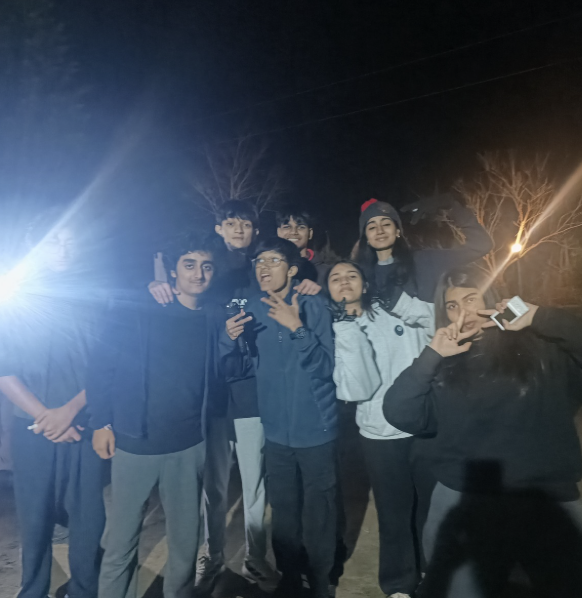
Certificates were awarded soon after, officially marking many of us as Open Water Divers recognised globally. That evening, we exchanged gratitude cards and spent our last night together without a curfew. Music, laughter, and a midnight birthday celebration for Veer Gondal made it feel like the perfect ending.
The final day slowed everything down again. Before leaving Port Blair, we visited the Cellular Jail. Walking through its corridors was sobering. After days of freedom in the ocean, it served as a reminder of the cost at which our own freedom exists. It was a quiet and reflective end to an otherwise joyful journey.
We returned home exhausted and sunburnt, carrying far more than souvenirs. This trip gave us space when we needed it most. Space away from constant pressure. Space to reconnect with each other. Space to remember that life exists beyond submissions and applications. In the middle of one of the most intense academic years of our lives, the Andamans gave us pause. And that may have been the most valuable thing of all.