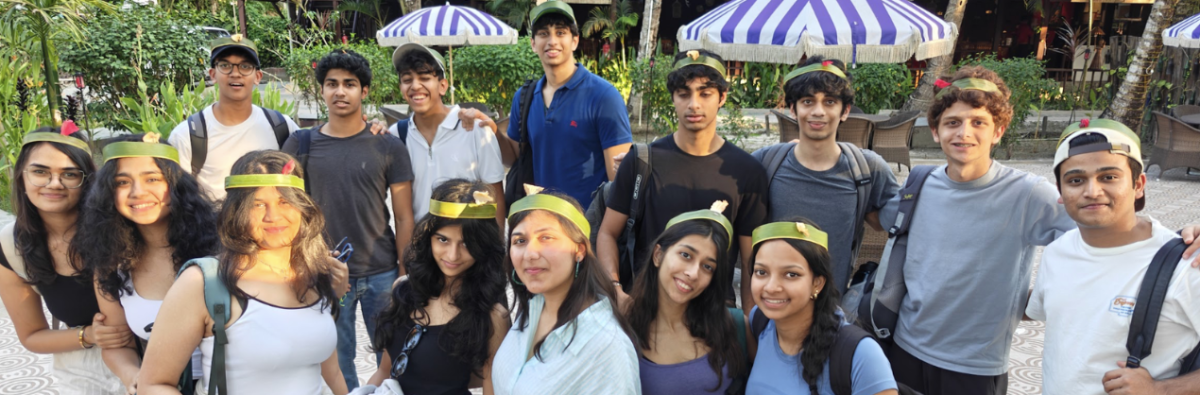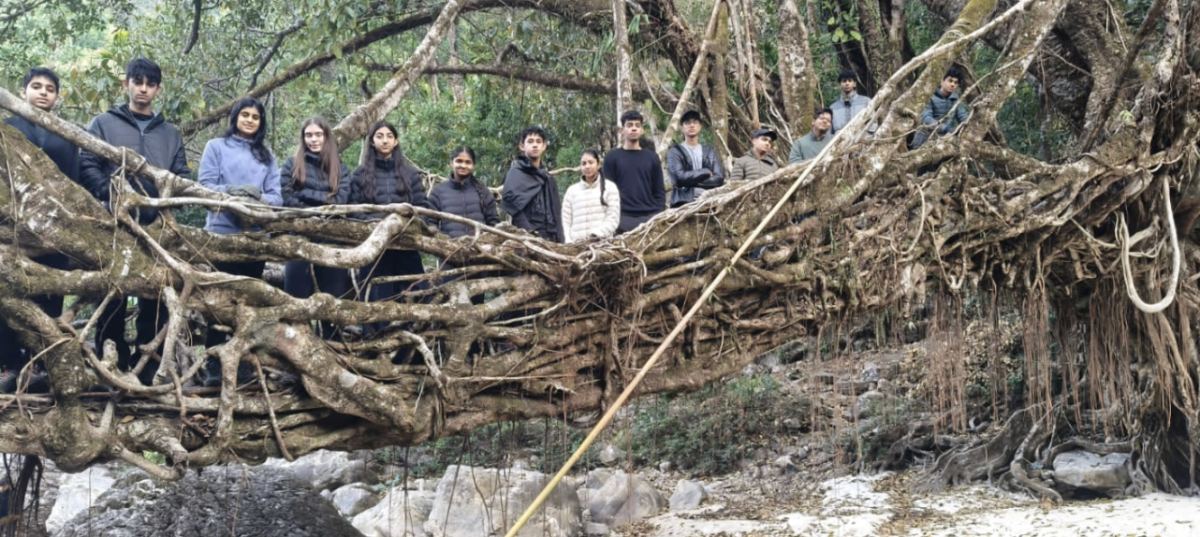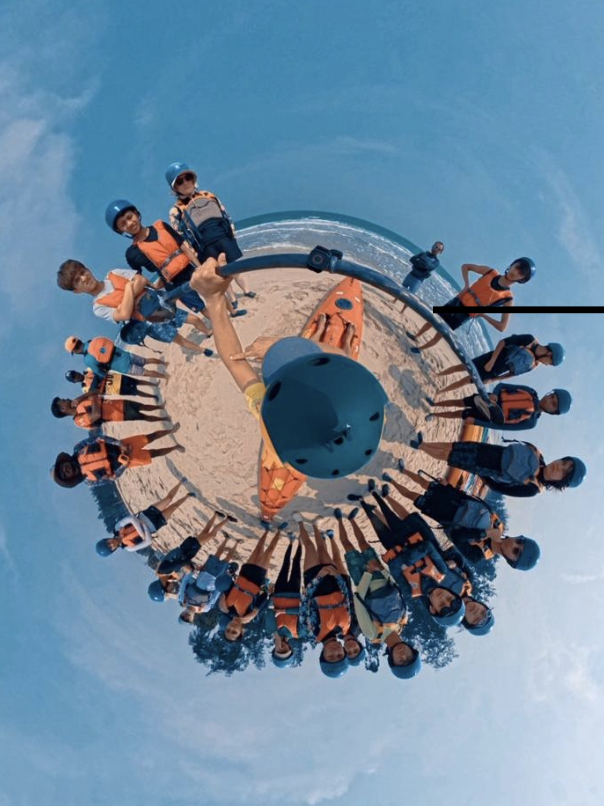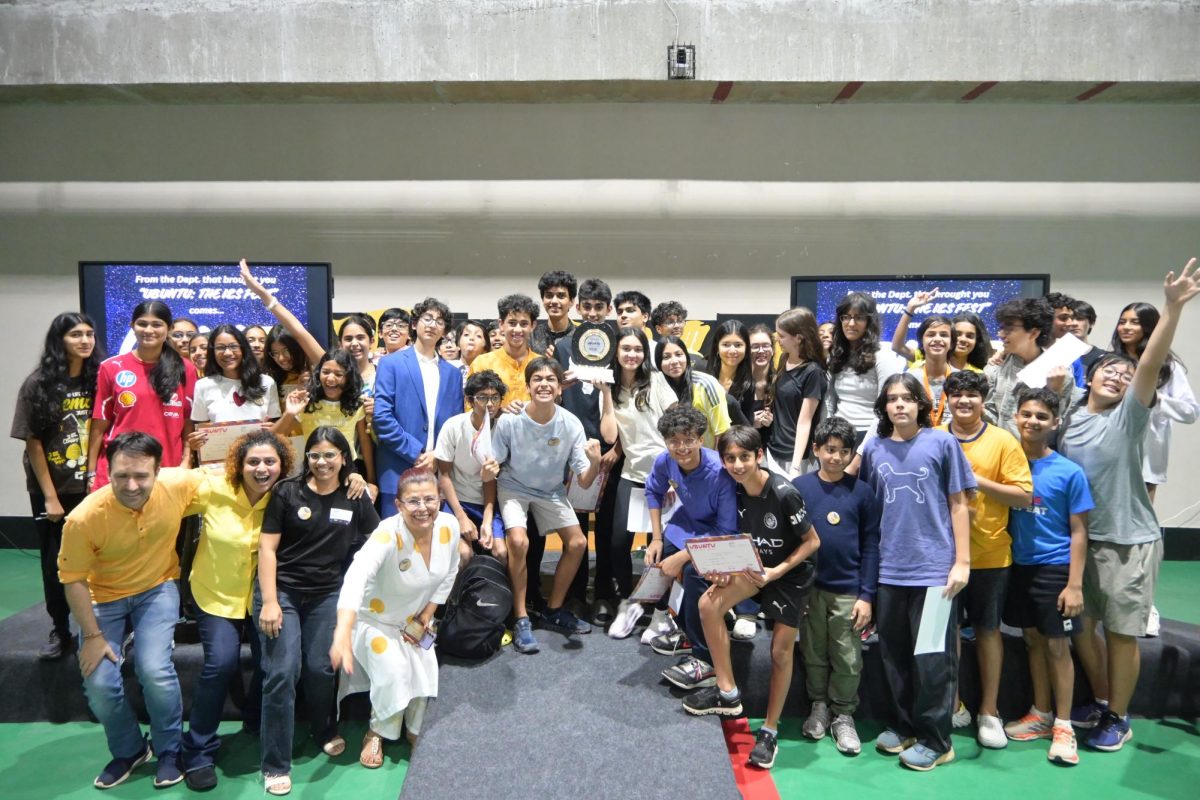
The second edition of Ubuntu showcased expansions on every front, most notably time. Where the previous instance was only limited to the 2 blocks post recess (approximately 100 minutes), here the full day was dedicated to the event. The Medieval Met Gala started the show, followed quickly by the introduction of MUN, and the Humanities Quiz. A quick break separated these events from the start of Shipwreck Seniors, the continued MUN and Shipwreck Juniors and all of the other wonderful events of the day. The events of the day saw many people invested in the success of their house, most evident with the Nuclear Afterglow Crisis Committee, but an equal or greater number of students came to Ubuntu as an obligation. On every front, it was bigger, better and more engaging. How? That is what I wanted to know when interviewing 4 of the teachers behind Ubuntu, and what I will be showcasing in this article.
What was a priority to change based off of last year?
“We wanted more time, and less stuff happening simultaneously,” said Mr. Max. This is because now, “students were able to do multiple things” and this allowed greater exposure to the student body into events that would be done a lot better. There were also high expectations due to having the whole day dedicated to the event. With this in mind, they prioritized “Substance over Style”, utilizing digital posters, and decor work that was already done by the students.
Where did you get the inspiration for the new events?
“The Mumbai Mosaic was made because we noticed a lack of knowledge about Mumbai…”, which goes against one of IB’s values, global knowledge, not at the expense of local knowledge, so “… so we built a game … to help them learn about Mumbai.” from Mr. Mithun. Around the Globe was “based on The Amazing Race because I [Piyush] really loved The Amazing Race.” This would also provide a nice Geography element. As for the repeated events from last year, they moved Streetplay into Short Film so that they can “Play to the students”, using the tasks they’ve done in school as a basis. They can also “be done physically at home rather than in school” which gives more freedom to the students. Debate was moved into MUN because “A lot of students had a lot of interest in MUN”, and this allowed that interest to shine. Moreover, “Debate is more a class task, so putting it a part of the Festival felt too similar to the academic experience.” as said by Ms. Anu. Most importantly in my opinion though, “No restrictions on Junior and Senior, which creates a cross grade system.” Cross-grade interaction is a very important thing because of how different life is from 6th to 12th, and MUN allowed that to happen naturally.
How do you think events like Ubuntu impact the school? Do you have a specific goal in mind there?
“The goal was to get students invested in the Humanities for the love of the game rather than the academics.” said Mr. Max. This is extremely important, as self-motivation is a crucial life skill in general. “The house system was very new and fresh, so we decided to incorporate the academics element in the house system. This gave us the opportunity to let non-sports students celebrate themselves, winning points for their house” said Ms. Anu. I think the impact of this can be felt better now, especially after Sports Day. They also wanted to “Create a larger focus on extracurricular activities. Showcase Fashion and Dance and other things that aren’t able to be done as part of the normal calendar.” This is something that, similarly to the musical, should be celebrated, and embraced for the future. Another important aspect is “House wide collaboration due to a larger focus on team wide events. Yellow house won in part due to their house camaraderie.” as Mr. Piyush pointed out. This teaches cooperation, alongside “presenting and public speaking, which get a lot of emphasis”, which has long term positive effects.
What was it like working with a larger student body? How did that factor into the plans this year?
“Well, more students = more time. We also wanted to include the 12th graders when things are chill for them, which is why we moved Ubuntu to the first term.” This is not the only way that this would manifest, however, as “We wanted to increase student participation, which allowed us to take on student volunteers as part of the media teams and logistics. We want them to be more student led, give them practical experience, and have them run the events.” Then, compounding off of what was mentioned in the change from Debate to MUN, there were “More events for juniors compared to seniors, [and] Allow juniors to help in senior events, but not the reverse to compensate [for the inequality in numbers.]” This is extremely important, and I can’t emphasize enough how much I love this decision.
All in all, this was a very insightful interview, and I hope that gaining access to how they view these events and organize them has been beneficial for you, whether a student or a parent. May these events continue into the future, bigger and better.