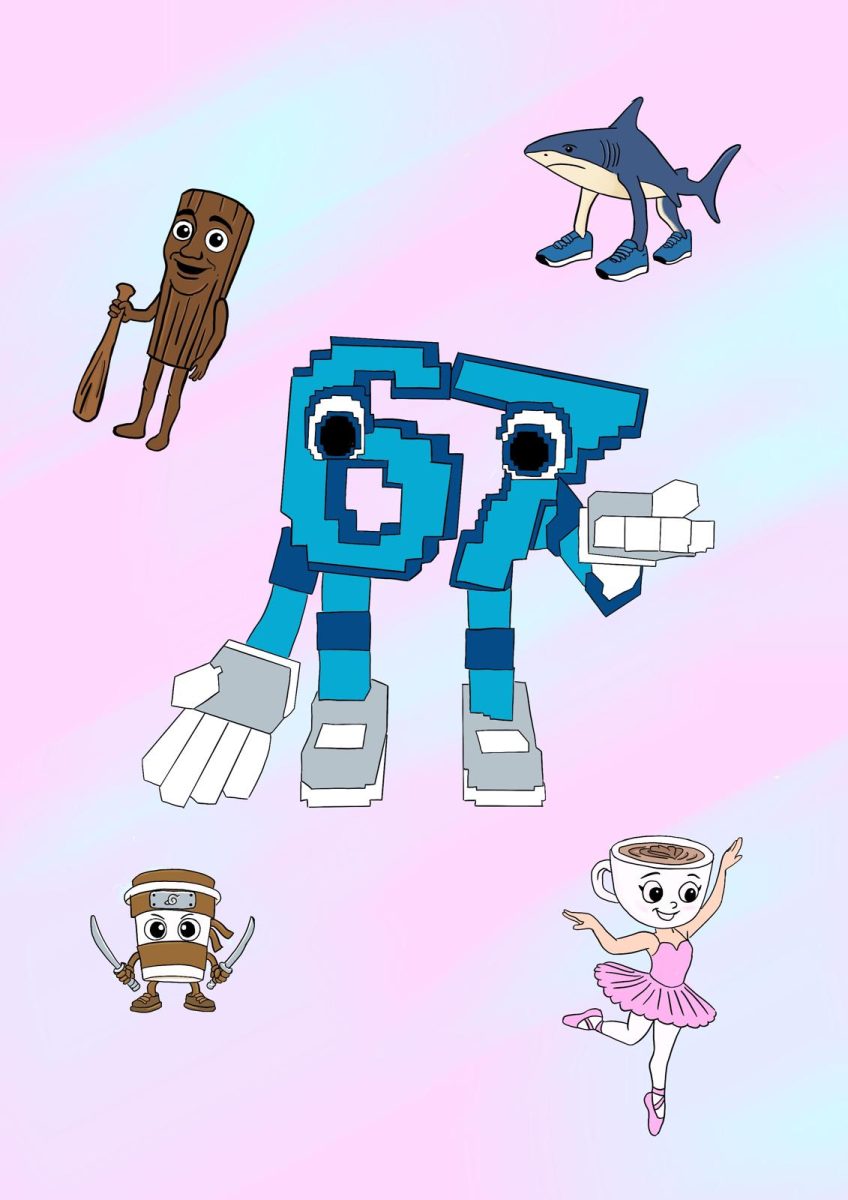
If you’ve been on social media lately, you must have heard the term “6 7” pop up everywhere, on captions, comments, and even usernames. It might look random to anyone outside of the circle, but for Gen Alpha, “6 7” has become something that defines the current online craze.
This term originally blew up from a trend linked to music and memes, where numbers started replacing feelings or moods. Over time, “6 7” became less literal but more of a shared inside joke, a kind of code that says, “I get it”, without actually having to say it. It literally means nothing. The humour comes from the absurdity and the fact that if you get it, you’re “in” on the joke.
For most people in this generation, that’s exactly the point. An internet slang like “6 7” isn’t meant to have a clear meaning, that’s the whole point. It’s a way for online communities to feel connected, to have their own language that adults won’t understand. This pattern isn’t new though, it’s something each generation has always done. Every generation creates its own slang, reshaping their language to fit the world. What “groovy” meant to the 1970s, or what “lit” meant to the 2010s, “6 7” might be to us. It shows how flexible language really is.
The “6 7” meme is a perfect example of the social identity theory because it serves as a powerful, yet meaningless signal that you’re part of the trend. According to this theory, people naturally want to belong to a group that feels unique and special. Using a slang like “6 7” gives people a sense of belonging, something that says, “I’m a part of this group, this culture.” It’s less about the numbers but more about the feeling behind them. The humour for Gen Alpha is mainly derived from the fact that the other generations don’t understand it and are confused. Its lack of a fixed meaning can serve as a “protective barrier” for their inside joke, making it hard for others to join in. When adults try to explain the meme, it immediately becomes cringe or uncool in the eyes of these young kids and teenagers, which reinforces the superiority they have on understanding digital culture.
So while older generations might scroll past “6 7” and wonder what it means, maybe that’s exactly the beauty of it. It’s a piece of digital culture that belongs to Gen Alpha, proof that language keeps evolving, just like the people who use it.